Watercolor Vintage Easter Bunny: A Designer's Review
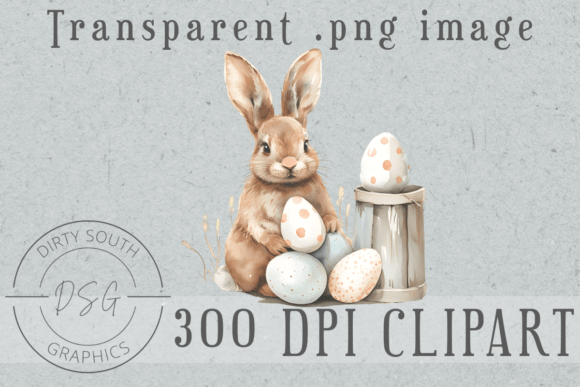
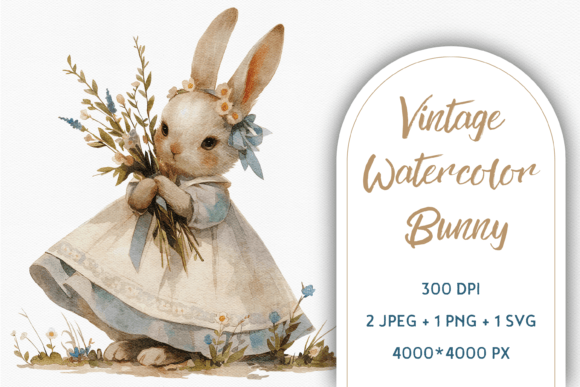
When a new design file lands on my desk, I look at it not just as an image, but as a future physical product. My first question is always: how will this really look when it’s stitched out? The Watercolor Vintage Easter Bunny Rabbit immediately presents itself as more than just holiday clip art. It has a soft, storybook personality that feels nostalgic and gentle, not overly cartoonish. The bunny girl in her yellow dress, holding that bouquet, carries a quiet, cheerful mood perfect for spring.
Why This Design Stands Out for Handmade Projects
This bunny isn't just an icon; it's a scene. The composition, with the bouquet integrated into the figure, creates a balanced shape that will translate well into an embroidery area. The watercolor style implies soft edges and blended colors, which in embroidery terms means we’re looking at a design that uses fills and satin stitches to create that painterly effect, rather than relying on hard, single-line outlines. For a crafter or small business owner, this is key: it gives the finished product a handmade, artistic feel that buyers actively seek out.
I picture this design stitched onto a linen tea towel for a kitchen gift, or on the corner of a cotton blanket for a nursery. It has that giftability factor—it feels special and considered. For an Etsy seller creating personalized baby items, this bunny adds a layer of vintage charm that elevates a simple garment. Imagine it on a little sweatshirt or the back of a cap; it becomes a boutique product, not just a generic applique.
Where This Bunny Finds Its Perfect Home
The natural applications are plentiful. Its theme makes it a prime candidate for holiday embroidery projects: Easter gifts, spring decor, and seasonal apparel. But don’t limit it to just Easter. The vintage, floral theme works beautifully for year-round items aimed at gardeners, lovers of cottage-core style, or as a general symbol of spring. I’d use it for:
- Custom apparel: A centerpiece on a lightweight sweatshirt or a t-shirt for a spring market.
- Tote bags and aprons: Its detailed, illustrative nature makes a statement on fabric bags.
- Home decor: Pillow covers and framed patchwork for nursery or kitchen settings.
- Personalized gifts: Monogrammed below the bouquet on a baby’s keepsake blanket.
For commercial embroidery projects, like a small shop producing a limited run of spring merchandise, this design offers a cohesive, recognizable visual that can build brand consistency across a product line.
The Practical Considerations Before You Hoop It
The charm of the watercolor style comes with some real-world stitching considerations. The level of detail—the flowers in the bouquet, the folds in the dress—means this embroidery file likely has areas of varying stitch density. This is where your prep work matters.
First, always test on scrap fabric first. Use the same material you intend for the final product. This will show you how the finer details, like the tiny flower stems, hold up. Check the thread color contrast against your background fabric. A light, pastel design like this can lose clarity on very dark fabrics unless the digitizing has accounted for that, so a test on both light and dark backgrounds is wise.
Hoop size is critical. This isn’t a miniature logo. To preserve all the lovely detail, you’ll need a hoop size that accommodates the entire design without cramping it. For smaller items like caps or baby clothes, you must carefully review if the design can be scaled down without losing the integrity of the bouquet and facial features. Curved surfaces like caps require extra stabilizer and attention to how the fill stitches lay on the curve.
Navigating Potential Challenges
There are places where this design should be used carefully. On very textured fabrics like terry cloth or some canvas, the watercolor effect might get lost. On thin or stretchy fabrics, the stitch density needs to be supported by the right stabilizer to prevent puckering. For products that will undergo frequent washing, like kitchen towels or baby items, ensure the stitch structure is robust—lots of tiny, dense satin stitch areas can be more prone to wear than simpler fill stitches.
Also, consider the commercial use. As this is categorized as an Illustration and a Graphics product, its licensing for finished items or digital products (like printable mockups) must be confirmed before you sell. This is a fundamental step for any designer or creative entrepreneur.
The Impact on Your Customer and Your Business
Using a design with this much character directly affects your product’s visual appeal and perceived value. A well-stitched version of this bunny on a tote bag tells a customer that you’ve invested in a quality embroidery design. It looks professional and intentional, which builds customer trust. For your craft business, it helps your handmade presentation stand out in a crowded marketplace.
It engages buyers because it’s recognizable yet unique—it’s not a stock image they’ve seen everywhere. This boosts buyer engagement in your Etsy listings or craft fair booth. When they see it on a pillow cover or an embroidered patch, they connect with the mood it creates. That connection is what turns a viewer into a buyer.
In short, the Watercolor Vintage Easter Bunny Rabbit is a design asset that, with proper embroidery execution, can become a star in your spring product line or a cherished element in a personalized gift. It asks for a bit more attention during the setup—testing, stabilizing, sizing—but rewards that effort with a finished product that feels lovingly crafted and visually distinct. That’s the kind of result that makes both designers and customers smile.