Spring Tree Watercolor Clipart Bundle: A Designer's Hands-On Review
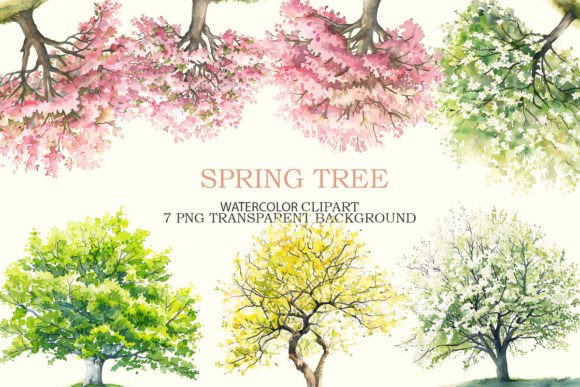
As someone who stitches ideas into reality for clients and for my own small business, I'm always on the lookout for graphics that translate well off the screen and onto fabric. When I first opened the Spring Tree Watercolor Clipart Bundle, my immediate impression was one of soft, optimistic charm. This isn't a rigid, technical botanical drawing; it's a collection with a gentle, artistic personality. The watercolor style, with its implied washes of color and soft edges, creates a mood that’s perfect for spring-themed projects, personalized gifts, or any product where you want to evoke a sense of fresh, handmade warmth.
Where This Bundle Naturally Belongs in Your Project Queue
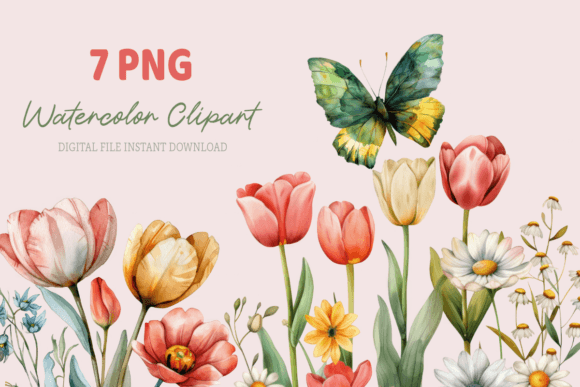
The theme and detail level here make it a versatile candidate. I instinctively pictured it on a custom embroidered tote bag for a garden club member, or as a delicate accent on the corner of a linen pillow cover for a nursery. The floral illustrations woven into the tree designs add a layer of interest without being overly dense, which is a key consideration for embroidery. You don’t want a design so packed with tiny details that it becomes a muddy blob of thread. This bundle, falling under the broader category of Illustrations and specifically Graphics, feels tailored for projects where the aesthetic is more important than literal precision.
A real scenario I considered was preparing a set of embroidered tea towels as a spring wedding gift. Using one of the trees from this bundle, the goal would be to create a keepsake that feels artistic and personal, not mass-produced. The watercolor aesthetic lends itself perfectly to this—it suggests craftsmanship and a gentle touch, which elevates the perceived value of the finished product. For an Etsy seller or boutique owner, that visual appeal directly impacts customer trust and engagement; it makes the item look special, not generic.
Performance in Real-Life Embroidery Situations
So, how would these watercolor tree designs perform when actually stitched? On custom apparel like sweatshirts or t-shirts, the softer shapes would translate beautifully, avoiding the harsh, computer-generated look some clipart can have. For baby clothes or blankets, the theme is naturally fitting. I'd be confident using it for a decorative patch on a denim jacket or an apron, where the design can be a focal point.
However, the "watercolor" style—with its implied blending and soft transitions—requires some thoughtful execution in embroidery. This isn't a simple outline. When digitizing this for an machine embroidery design, the artisan will need to interpret those color washes into areas of fill stitch. This means paying close attention to stitch density. Too dense, and the design becomes stiff and heavy on lightweight fabrics like a thin cotton tee. Too sparse, and you lose the lovely watercolor effect. It’s a balancing act.
Careful Application: Where to Proceed with Caution
Given the artistic detail, I would approach a few situations with extra planning. On very small hoop sizes, some of the finer floral illustration details might get lost or become challenging to stitch clearly. On highly textured or stretchy fabrics, the success of the design will hinge entirely on using the proper stabilizer to maintain the integrity of those softer shapes.
Dark fabric backgrounds present a classic challenge. The spring-like, often lighter palette implied by these graphics would demand a thoughtful thread color selection to ensure contrast and maintain the cheerful mood. Simply translating the PNG colors directly to thread without testing on scrap fabric first could lead to a dull result. Similarly, on curved surfaces like caps, the larger, more central tree shapes would likely work better than designs with elements sprawling to the very corners.
For products destined for frequent washing, like kitchen towels or baby items, a robust stitch execution is key. The design shouldn't have extremely tiny, isolated satin stitch elements that might be vulnerable. Thinking through this during the digitizing phase ensures the finished product is durable, which is crucial for customer trust and brand consistency if you're a small shop.
Practical Notes for the Embroidery Designer
Before committing this bundle to a client project or your next craft fair batch, here’s my practical checklist. First, always test the design on scrap fabric. Use both a light and dark scrap to truly judge thread color contrast. I also recommend checking the design in a black and white mockup; this helps you see the composition without color bias, ensuring the shapes themselves are strong.
Since this is a clipart bundle provided as PNG files, it is a digital art starting point. You or your digitizer will be creating the actual embroidery file. Therefore, inspect the small details in the PNGs closely. Decide which elements are essential to keep and which might be simplified for a cleaner stitch outcome. Confirm the licensing terms for the bundle itself before using it in commercial embroidery projects or selling the finished items. This is a fundamental step for any digital product seller or creative entrepreneur.
Ultimately, the Spring Tree Watercolor Clipart Bundle offers a strong foundation for projects that benefit from a soft, botanical aesthetic. Its value lies in its mood and theme, which can enhance the giftability and handmade presentation of your work. By approaching its translation to stitch with a practical, realistic eye—considering fabric, size, and durability—you can turn this graphic bundle into a truly charming embroidered reality.