Watercolor Lily Clipart: An Embroidery Designer's Review
Before I embroider anything for a client, or stitch something for my own shop, I spend time really looking at the design file. It’s not just about whether it’s pretty—it’s about whether it will translate beautifully into thread and fabric. So, let’s talk about the Watercolor Lily Clipart Bundle from that practical, hands-on perspective.
The First Impression: Soft Elegance with a Practical Shape
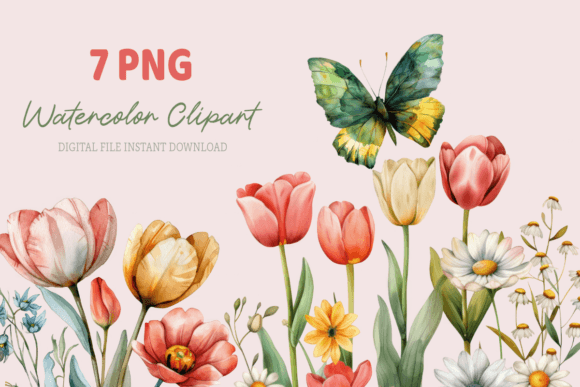
Opening the bundle, the immediate feeling is one of soft, botanical elegance. These lilies aren’t rigid illustrations; they have that gentle, watercolor bleed and blended color effect. For an embroidery designer, that’s key. This aesthetic creates a mood of calm, freshness, and handmade artistry—perfect for products where you want to evoke warmth and natural beauty. The shapes are well-defined, with clear outlines despite the watercolor style, which tells me they’ll convert well into embroidery file elements without losing their character.
Where This Design Naturally Belongs
My mind goes straight to certain projects. A custom embroidered patch for a delicate linen tote bag. A single lily on the corner of a baby embroidery blanket or a pillow cover for a nursery. These Graphics feel ideal for personalized gifts—think wedding gifts, birthday keepsakes, or holiday embroidery presents like kitchen towels or aprons. The style lends itself to boutique branding for a floral-themed small shop product, perhaps as a recurring motif on custom apparel like sweatshirts or tea towels.
Performance in Real-Life Embroidery Projects
Here’s the real test: imagining the stitch.
The watercolor effect, with its soft color transitions, would be beautifully rendered using a mix of fill stitch densities and thoughtful thread color selection. You could use lighter satin stitches for the petals and a denser fill for the centers. On a tote bag design made of canvas, the design would pop with texture. On a finer fabric for a baby embroidery item, like a muslin swaddle, you’d want to adjust the stitch density to prevent stiffness.
For Etsy sellers and craft business owners, this bundle is a versatile design asset. The high-resolution PNGs are excellent for creating printable mockups to list your finished product, or to preview a digital embroidery file if you’re selling the stitch-ready design itself. The transparency means you can easily place these lilies against any fabric background in your mockups, building customer trust through clear, professional previews.
A Practical Scenario: The Boutique Kitchen Towel
Let’s say I’m preparing a set of embroidered kitchen towels for a local boutique. I choose one of the simpler lily motifs from the bundle. I’m thinking about fabric texture—a smooth, high-quality cotton. I’ll need a good stabilizer to handle the fill stitch areas. The watercolor softness means I don’t need hyper-precise, tiny details, which is a relief on a functional item that will be washed. The finished look will feel artistic, not mass-produced, enhancing the handmade product value and giftability. That’s the kind of practical judgment this bundle encourages.
Where to Use Careful Consideration
No design is perfect for every single application, and honest review means noting where you might need extra steps.
Because of the blended color areas, careful thread color contrast is essential, especially on dark fabric. You might need to test a few combinations on scrap fabric first to capture that watercolor lightness. On very small hoop sizes, some of the finer blended details might simplify out—test at your intended size before committing to a final project.
On stretchy fabric like t-shirts, or on curved surfaces like caps, the larger, fill-heavy areas of a lily might require more robust stabilization and perhaps a reduction in overall design scale to prevent distortion. The design isn’t overly dense, which is good, but always check stitch density for the specific garment.
For items needing frequent washing, like apparel or towels, ensure your stitch structure is secure. The organic shapes are forgiving, but inspect any small details or corners in your test run.
How It Enhances Your Professional Edge
Using a design with this level of visual appeal directly impacts your work’s perception. It supports brand consistency if you specialize in floral or soft styles. For creative entrepreneurs, it offers a ready-made artistic element that elevates your finished product beyond a basic graphic. In commercial embroidery projects, it provides a unique, non-generic option that can make a client’s custom apparel or small shop merchandise stand out. The recognition of a well-executed, beautiful lily adds to the overall professionalism and buyer engagement.
Essential Designer Notes Before You Stitch
Always, always test the design on scrap fabric first. Use the same fabric and stabilizer you plan for the final project. This is especially important with a watercolor-style design to see how your thread choices interpret the color blends.
Check thread color contrast against both light and dark backgrounds. I often test it in black and white mockups too, to check for shape clarity independent of color.
Confirm hoop size and machine compatibility once you’ve converted the PNG into your embroidery format. Review stitch density in your software—the provided 300 DPI PNGs give you a sharp starting point for digitizing, but the final embroidery file settings are up to you.
If you’re using this for digital product sellers or craft business items, confirm licensing before selling finished items. The bundle description notes it’s for Illustrations and Graphics, so clarify whether your intended use—selling embroidered physical products or the digitized embroidery files themselves—falls under the license provided.
Lastly, think about the end-user. Will this lily on a embroidered patch appeal to your customer base? Does it fit the theme of your holiday gift collection? A practical review always circles back to the real-world reaction on the final handmade product.
The Watercolor Lily Clipart Bundle offers a strong, aesthetically pleasing foundation for a range of projects. Its real value for an embroidery designer lies in its adaptable, elegant mood and clear shapes that promise a smooth translation from screen to stitch. With careful preparation and testing, it can become a go-to asset for adding soft, artistic flair to your work.